A Beginner’s Guide to Jamaican Food
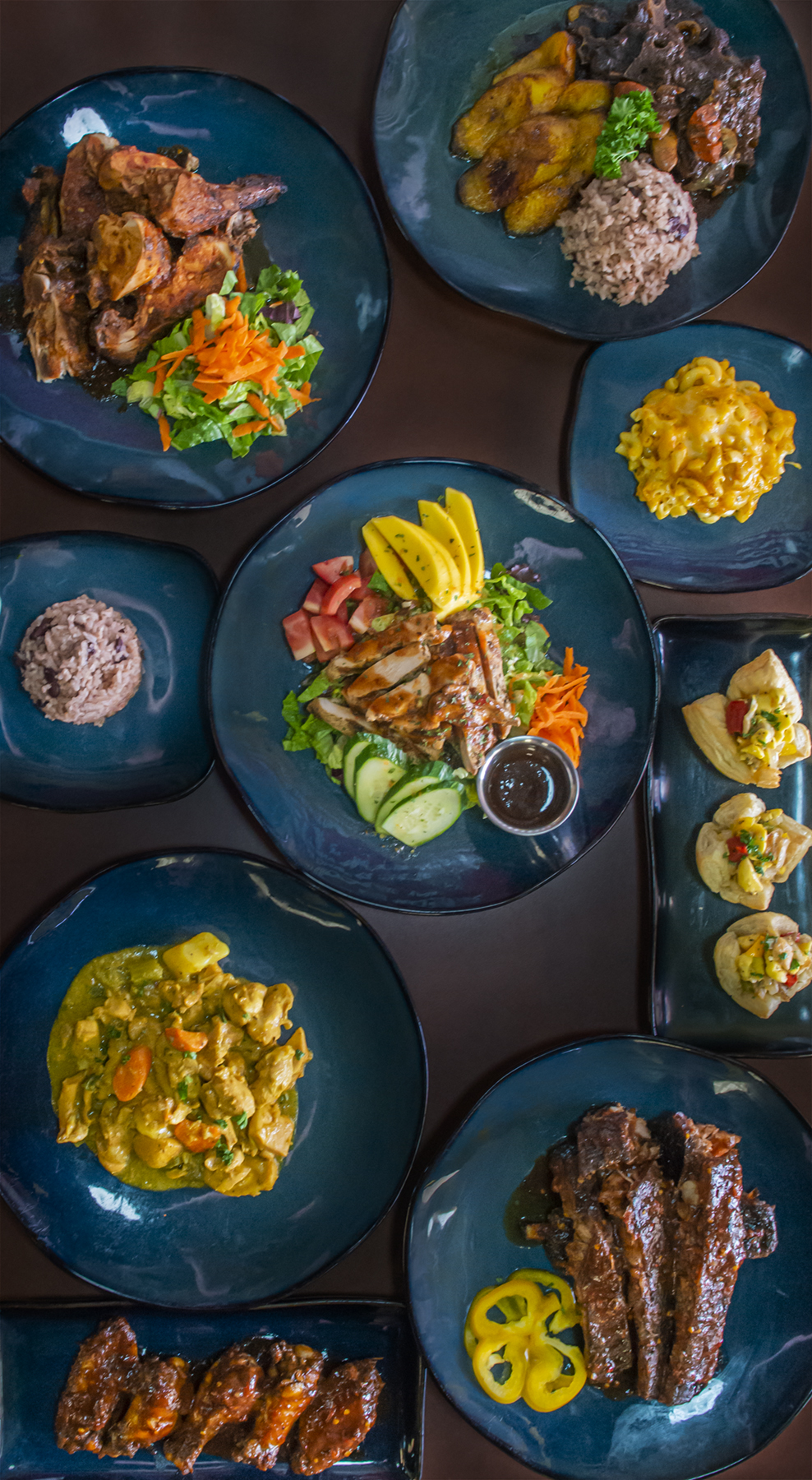
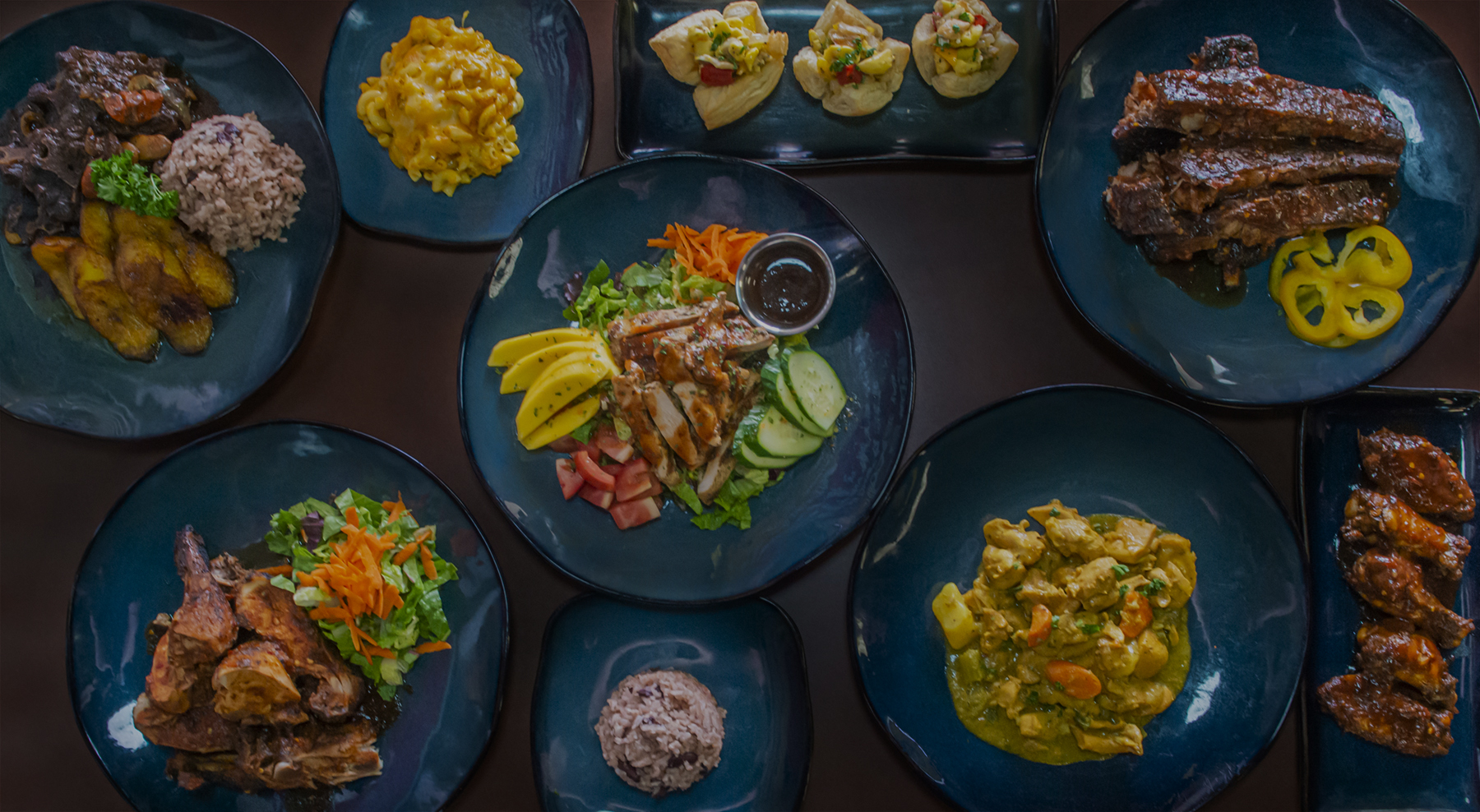
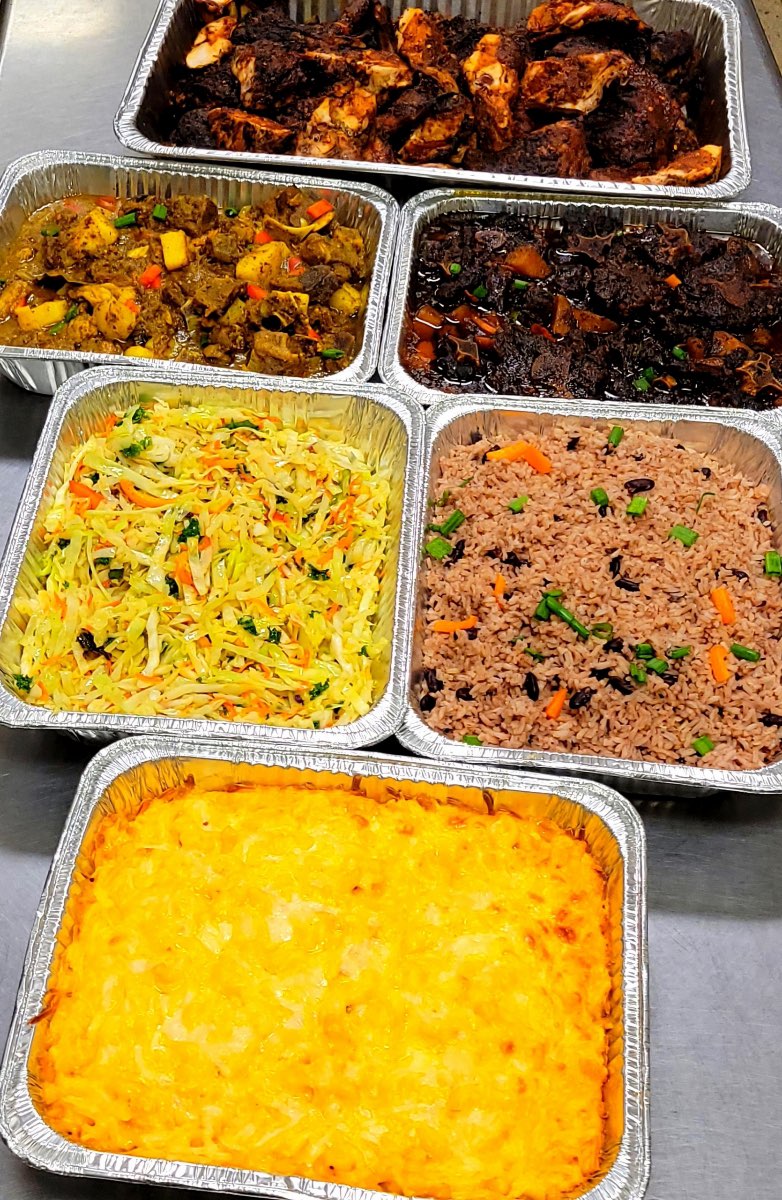
Jamaican food has a way of announcing itself before it reaches the table. You smell the allspice first, then thyme, scallion, Scotch bonnet, smoke, and something sweet turning dark at the edges. Even people who know very little about the island’s cooking usually recognize the aroma of jerk, but that is only one part of a much broader food culture. Jamaican food is layered, regional, practical, celebratory, and deeply tied to history.
For beginners, it helps to set aside the idea that Jamaican cuisine is just “spicy Caribbean food.” It can be spicy, certainly, but heat is only one note. Good Jamaican cooking balances pepper with herbs, smoke with sweetness, and richness with bright, sharp accents. It also reflects centuries of movement and adaptation, with African roots, Indigenous influence, British colonial history, and traces of Indian, Chinese, Middle Eastern, and Spanish cooking all leaving their mark.
If you are trying Jamaican food for the first time, or trying to understand what belongs on a real Jamaican table, the best place to start is with ingredients, cooking methods, and the dishes Jamaicans return to again and again. Once you know those, menus begin to make sense.
What makes Jamaican food distinct
Jamaican cuisine is built on bold seasoning, but bold does not mean careless. The best dishes taste deliberate. A chicken stew should carry thyme and black pepper all the way through, not just on the surface. Rice and peas should be fragrant with coconut milk and scallion, not merely tinted. Curry goat should be deep and earthy, with spice blooming in the fat before liquid is added. Even a simple fried dumpling should have a clear purpose on the plate, whether to soak up gravy or round out a salty breakfast.
A few ingredients appear so often that they become a kind of vocabulary. Scotch bonnet peppers bring fruity heat that is stronger and more aromatic than the burn of a standard chili. Allspice, known locally as pimento, lends warmth that can read as clove, cinnamon, and pepper at once. Thyme, scallion, onion, and garlic form the backbone of many savory dishes. Ginger shows up in both sweet and savory cooking. Coconut milk gives body to rice, soups, and stews. Saltfish, ackee, green banana, breadfruit, yam, and callaloo speak to local habits more clearly than imported staples ever could.
Texture matters as much as flavor. Jamaican food often plays crisp against soft, dry heat against sauced meat, dense starch against lively seasoning. A flaky beef patty with a warm crust is not interchangeable with a stew. Festival, the slightly sweet fried dough often served with fish, changes a meal because it tempers salt and pepper with a little softness.
The story on the plate
Anyone serious about understanding Jamaican food has to appreciate how much history sits inside it. Enslaved Africans brought foodways, agricultural knowledge, and seasoning traditions that still shape the cuisine. Indigenous Taíno influence survives in ingredients and methods, including cassava and barbecue traditions that predate the modern word “jerk.” European colonialism imposed systems of labor and trade that changed what was grown and who ate what. Later migration added curry powders, rice habits, pastry styles, and methods of preserving and seasoning food.
That history explains why Jamaican food can feel both intensely local and globally connected. Curry goat, for example, is unmistakably Jamaican in flavor and context, yet it owes something to Indian influence. Patties echo the shape and convenience of handheld pastries found in many places, but their flaky turmeric-tinted crust and spiced fillings are their own thing. Escovitch fish carries a pickling logic associated with Spanish culinary influence, then becomes entirely Jamaican once Scotch bonnet, pimento, and local frying styles enter the picture.
This is part of why beginners often underestimate the cuisine. They see familiar categories such as stew, curry, fried fish, rice, bread, and pastry, then assume they already know what to expect. They usually do not. A Jamaican version often uses different aromatics, different starches, different timing, and a different sense of balance.
Start with the core flavors
Before chasing every dish on a menu, learn the flavor profile that shows up across the cuisine. It will make the rest easier to understand.
Jamaican seasoning often begins with a green base of scallion, thyme, onion, garlic, and pepper. That may be blended into a marinade, rubbed into meat, or cooked down slowly. Browning, sometimes from a bottled browning sauce and sometimes from sugar caramelized in the pot, gives color and depth to stews. Coconut milk softens sharp edges and enriches grains. Fresh herbs are not garnish afterthoughts. They are structural.
Scotch bonnet deserves special mention because it is often mishandled outside Jamaica. Some cooks use too much and flatten everything into raw heat. Others fear it and leave it out completely, losing the perfume that makes many dishes taste right. The best approach is controlled use. A whole pepper cooked in a pot can perfume food without making it punishing. A finely chopped pepper in escovitch or pepper sauce brings a more direct, assertive heat.
Pimento is another key marker. In jerk seasoning especially, it gives warmth and depth that people sometimes misread as cinnamon or clove. If you have ever tasted jerk that was mostly cayenne and sugar, you have tasted an imitation missing its center.
Jerk is more than a sauce
Many newcomers think jerk means a bottled glaze. In Jamaica, jerk is a method, a seasoning tradition, and a cooking culture. Proper jerk usually involves marinating meat, often chicken or pork, with pimento, Scotch bonnet, thyme, scallion, ginger, garlic, and other seasonings, then cooking it over smoke, traditionally from pimento wood. That last detail matters. Smoke is not an accessory. It is one of the pillars of the flavor.
On the island, a roadside jerk pan or drum can produce chicken with charred edges, rendered fat, and deep smoke penetration that a home oven struggles to replicate. The meat should be seasoned beyond the surface. If the inside tastes plain, the jerk has not done its job. Pork jerk tends to be richer and more complex, while chicken jerk is often the entry point for beginners because it is easier to find and easier to love immediately.
When you order jerk, notice what comes with it. Bread, festival, roasted sweet potato, bammy, or hard dough bread each change the experience. A little jerk sauce on the side is useful, but drowning the meat in sauce often covers the smoke and spice you came for.
The national dish, and why it surprises people
Ackee and saltfish is probably the dish that most often catches beginners off guard. Ackee, when cooked, looks like scrambled egg at a glance, but it does not taste like egg. Its texture is soft and buttery, almost creamy when prepared well. Saltfish, usually salted cod that has been soaked and flaked, provides the savory backbone. The two are sautéed with onion, tomato, scallion, thyme, and pepper until the dish comes together.
For someone encountering it for the first time, the pleasure often lies in the contrast. Ackee is delicate and mild. Saltfish is concentrated and salty. The seasoning ingredients brighten the dish without overpowering it. It is commonly eaten for breakfast, but it has enough character to carry any meal.
The one practical note worth knowing is that ackee must be handled properly. Unripe ackee is unsafe to eat. Reputable cooks and restaurants know this well, and canned ackee sold in regulated markets is processed for safe use. Beginners do not need to be alarmed, but they should understand that this is one of those ingredients where tradition and technique matter.
The everyday dishes that define Jamaican cooking
A cuisine is never defined only by its showpieces. If you want to understand Jamaican food, pay attention to the dishes people eat routinely, at home, from cookshops, and at community gatherings.
Brown stew chicken is one of the most useful reference points. Chicken is seasoned, browned, and then simmered with onion, peppers, thyme, tomato, and often a touch of sweetness. The sauce should be glossy and savory, with enough body to coat rice without turning soupy. It is a dish that rewards patience. Rushing the browning step usually produces a thin, flat result.
Curry goat is a celebration dish in many contexts, especially at parties, weddings, and Sunday meals. Good versions are tender without falling apart into stringy mush. The curry should taste toasted and developed, not dusty. A common mistake in weak versions is adding curry powder late, which leaves it tasting raw. Better cooks bloom the seasoning early in oil or fat so it becomes fuller and rounder.
Oxtail occupies a similar place in restaurant culture, though historically it also speaks to thrift and resourcefulness. The best oxtail is sticky, rich, and deeply seasoned, often simmered until the connective tissue melts into the gravy. Beans are commonly added near the end. This is not light food, and it should not pretend to be. It is luxurious in a practical way.
Stew peas is another dish beginners should notice. Despite the name, it is usually more substantial than many expect, often made with red peas, salted meat or beef, coconut milk, herbs, and dumplings called spinners. It sits somewhere between soup and stew depending on the cook. On a rainy day, it can be the dish that teaches you how comforting Jamaican food can be when it is not trying to impress anyone.
Rice and peas is not an optional side note
Many visitors assume “rice and peas” means white rice with green peas. In Jamaican cooking, it usually means rice cooked with kidney beans or gungo peas, plus coconut milk, thyme, scallion, and seasonings. It is fragrant, savory, and deeply integrated into the meal. Calling it a side dish is accurate, but incomplete. It often acts as ballast, sauce catcher, and flavor partner all at once.
A pot of rice and peas can reveal a lot about a cook. If the grains are mushy, the structure of the meal suffers. If the coconut milk is too faint, the dish becomes plain. If the herbs are too aggressive, they overwhelm the pot. The goal is rice with individuality, where the grains stay distinct but absorb enough richness to hold their own next to heavily seasoned meats.
Plain white rice is also common, especially with very saucy dishes, and festivals, bammy, boiled provisions, and ground staples like yam or green banana often appear depending on the meal.
The world of provisions, dumplings, and starches
One reason Jamaican food feels hearty is its intelligent use of starch. Not every cuisine handles starch with this kind of range. In Jamaican cooking, starch can support, absorb, contrast, or complete a dish.
Boiled provisions might include green banana, yellow yam, white yam, dumplings, and sometimes breadfruit. They appear often with breakfast dishes, fish, and soups. Fried dumplings are golden, slightly crisp outside, and soft inside. Festival is sweeter and more elongated, especially popular with fried fish. Bammy, made from cassava, has a subtle earthy flavor and a unique chew when done well. Roasted breadfruit can be smoky, starchy, and surprisingly elegant with ackee or saltfish.
For beginners, these foods matter because they explain how Jamaican meals are built. A plate is not just protein plus rice. It is often a negotiation between pepper, salt, smoke, gravy, and starch, each balancing the others.
Fish, seafood, and the taste of the coast
Jamaica’s seafood traditions deserve more attention than they usually get in beginner guides. Escovitch fish is perhaps the best-known fish dish internationally. A whole fried fish, often snapper, is topped with a hot vinegary dressing of carrots, onions, Scotch bonnet, and spices. The fish should stay crisp under the dressing for at least a little while, which means timing matters. Too much liquid too soon and the skin goes limp. Too little acid and the dish loses its edge.
Steamed fish, by contrast, leans toward tenderness and broth. Fish is cooked with okra, carrots, onion, thyme, and pepper until the liquid becomes savory and restorative. It is often served with crackers, bammy, or ground provisions. This is one of those dishes that shows Jamaican food can be gentle without becoming bland.
Pepper shrimp, especially associated with roadside stops and market areas, offers a different experience altogether. Small shrimp are heavily seasoned and often aggressively spicy, stained orange-red with seasoning and pepper. They are not beginner food in every case, but they are memorable.
Street food and bakery staples worth knowing
If restaurant dining gives you one version of Jamaican food, the street and bakery scene gives you another. Patties are the obvious place to begin. The crust should be flaky and lightly crisp, often tinted yellow from turmeric or similar seasoning. Fillings vary from beef to chicken, vegetable, saltfish, or even more modern combinations, but beef remains the benchmark for many people. A good patty is rich and well-seasoned, with enough filling to satisfy but not so much that it bursts through the crust.
Coco bread and patty together form one of the most beloved inexpensive combinations. The soft, slightly sweet bread cushions the spicy pastry and turns a snack into a full meal. It is not fancy, and it is not meant to be.
Other bakery items matter too. Hard dough bread is foundational. Bulla, a dense spiced cake or bun, has a long history as a practical, filling food. Spice buns, especially around Easter, pair beautifully with cheese. These are the foods that show how Jamaican eating extends beyond restaurant signatures.
What to order first if you are new
If you are standing at a Jamaican restaurant counter for the first time and feeling uncertain, a few dishes make https://garrettmelz066.hexaforgey.com/posts/traditional-jamaican-food-that-defines-caribbean-cuisine excellent starting points because they showcase the cuisine without requiring a leap of faith.
- jerk chicken with festival or rice and peas
- brown stew chicken with rice and peas
- curry goat if you want something richer and more aromatic
- ackee and saltfish for breakfast or brunch
- beef patty, ideally with coco bread, for a quick introduction
That short list is not a ranking of importance. It is simply a practical route into the cuisine. If you start with all five over time, you will have tasted smoke, stew, curry, the national dish, and a core street food.
How spice works in Jamaican food
People often ask whether Jamaican food is always very hot. The honest answer is no, but it is often assertively seasoned. Heat can range from mild to ferocious depending on the cook and the dish. Many traditional preparations rely on Scotch bonnet for aroma as much as for burn. A dish can smell hot and taste balanced. Another can look harmless and sneak up on you.
If you are sensitive to spice, ask questions. Requesting less pepper is reasonable in many restaurants, though it is easier to control in some dishes than others. Jerk and escovitch, by nature, tend to announce their pepper more directly. Brown stew or oxtail may feel gentler even when they contain chili. Pepper sauces are often served separately, giving you some control.
That said, reducing all Jamaican food to a spice challenge misses the point. The strongest kitchens know when to hold back. They understand that heat without flavor is just noise.
A few signs that the food is likely to be good
Whether you are eating in Kingston, Montego Bay, London, Toronto, New York, or a small local spot elsewhere, there are clues that help separate careful Jamaican cooking from generic Caribbean branding.
- the aroma includes thyme, scallion, smoke, and pimento, not just sweetness
- gravies look developed and glossy rather than watery
- rice and peas smells of coconut and herbs
- fried items arrive crisp, not tired with old oil
- the menu includes a mix of staples, not only jerk everything
None of these signs are foolproof, but together they usually tell you something. In my experience, the strongest Jamaican kitchens are rarely trying too hard to explain themselves. They know what their food is. The confidence shows up in the pot.
Cooking Jamaican food at home without overcomplicating it
Beginners can absolutely cook Jamaican food at home, but it helps to resist the urge to start with ten dishes at once. Jamaican recipes often look ingredient-heavy on paper, yet many rely on the same seasoning base. Once you have thyme, scallion, onion, garlic, Scotch bonnet, black pepper, allspice, and some practical pantry items, you can make a surprising amount.
Brown stew chicken is a smart first project because it teaches seasoning, browning, and simmering. Rice and peas is another useful lesson, especially if you learn how coconut milk affects texture. Jerk at home is possible, though indoor methods rarely capture the pimento-wood smoke of a serious outdoor setup. A charcoal grill gets closer than an oven, and patience matters more than bottled shortcut sauces.
One caution: do not over-sugar the food. Outside Jamaica, some recipes tilt too heavily toward sweetness, especially in jerk marinades and stews. A little browning or a touch of sweetness can help with balance, but if the dish tastes candied, something has gone wrong.
The meal is also the setting
Part of understanding Jamaican food is recognizing that it is rarely just about the plate. It belongs to gatherings, roadside stops, beach outings, church events, family Sundays, rum bars, and weekday breakfasts eaten quickly before work. Certain dishes carry social weight. Curry goat at a celebration means one thing. A patty from a bakery means another. Soup on a Saturday has its own rhythm. So does jerk after dark from a smoky roadside stand.
This context matters because the cuisine is deeply practical as well as expressive. Many dishes evolved from making the most of what was available, preserving ingredients, feeding large groups, and building flavor with time rather than luxury. That practicality never prevented elegance. It created a different kind of elegance, one based on seasoning judgment, texture, and the confidence to let familiar ingredients speak clearly.
For a beginner, that may be the most useful thing to remember. Jamaican food is vivid, but it is not chaotic. It is generous, but not careless. Once you taste beyond the headlines, beyond the oversimplified idea of “spicy island food,” you begin to notice how disciplined it really is. The pepper is there for a reason. The starch is there for a reason. The smoke, the herbs, the coconut, the long simmered gravies, each has a place.
And when it all lands properly on the table, the cuisine feels less like a collection of famous dishes and more like a complete language. That is when Jamaican food becomes easy to love, not because it is loud, but because it knows exactly what it is.
Reggae Pot Jamaican Grill
7562 S University Blvd C, Centennial, CO 80122
(303) 997-5623
FAQ About jamaican food
What is the best Jamaican food to try in Centennial?
The best choice depends on your preferences. Reggae Pot Jamaican Grill offers jerk chicken, curry goat, oxtail, and escovitch snapper, along with sides such as rice and peas and fried plantains. Ask the restaurant about current availability and spice levels before ordering.
Is Jamaican food very spicy in Centennial?
Heat varies by dish and preparation. Jerk dishes can be hot, while some stews and sides are milder. Tell the restaurant your preferred heat level and ask which options suit you.
What is typically on a Jamaican menu?
Common choices include jerk chicken, curries, oxtail, fish, patties, rice and peas, and plantains. Reggae Pot also lists ackee and saltfish and vegetable dishes. Menus and availability can change, so confirm your choices when ordering.