Why Homemade Jamaican Food Tastes So Special
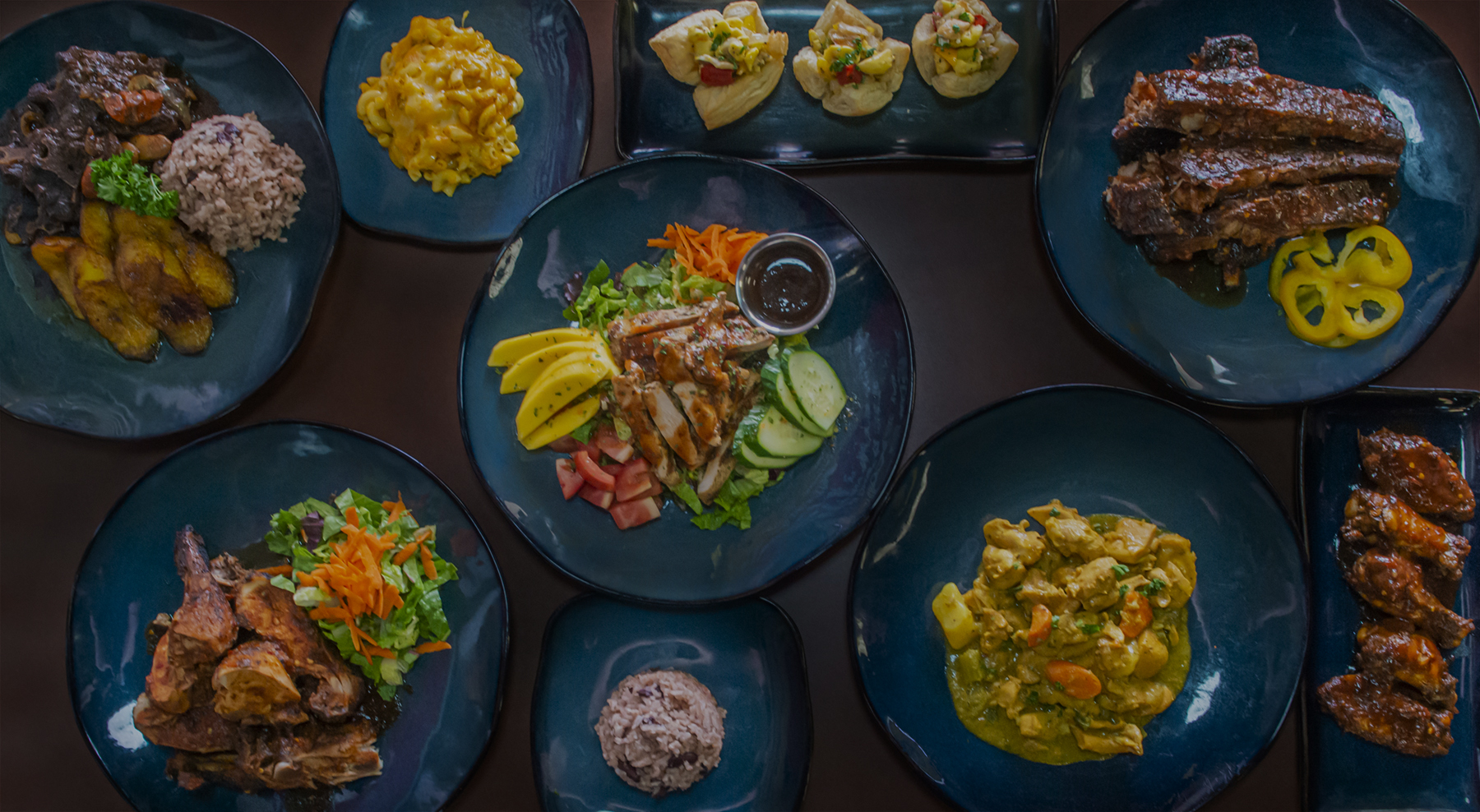
Anyone who has spent time around a Jamaican kitchen knows the difference before the first bite. You smell it in the hallway, on the front step, sometimes from the road if the windows are open. Scotch bonnet, thyme, scallion, pimento, garlic, ginger, onion, smoke, bubbling gravy, frying oil, sweet coconut, all of it seems to announce itself at once. Homemade Jamaican food has that effect. It does not arrive quietly.
What makes it taste so special is not one secret ingredient or one famous dish. It is the way flavor is built patiently and confidently, often by feel rather than strict measurement. It is the way recipes carry memory. It is the way cooks balance fire, sweetness, herbs, smoke, starch, acid, and time. Restaurant versions can be very good, sometimes excellent, but homemade Jamaican food often has a depth and personality that is hard to copy outside a family kitchen.
That depth starts with the fact that Jamaican cooking is layered, not merely seasoned. A pot of stew peas is not just beans and meat. Rice and peas is not just a side dish. Escovitch fish is not just fried fish with vegetables on top. Each dish tends to carry several flavor stories at once. There is the fresh brightness of herbs, the grounding effect of allspice and black pepper, the heat of Scotch bonnet, the savory body that comes from browning meat properly, and the slow blending that happens when a pot is given the time it needs. Even simple meals often taste like they have been thought through from several angles.
The flavor starts before the cooking does
One reason homemade Jamaican food stands out is that the real work often begins long before heat touches the pan. Seasoning meat, soaking peas, grating coconut, washing and prepping vegetables, mixing spice blends, these are not glamorous tasks, but they shape everything that follows. In many homes, cooks season meat hours ahead, sometimes overnight, allowing salt, herbs, garlic, scallion, ginger, onion, thyme, and pepper to do their work gradually.
That waiting period matters. If you take chicken and season it only at the point of cooking, the outside may taste lively while the center remains flat. When that same chicken sits with green seasoning and dry spices for several hours, it develops a more complete flavor. Not stronger in a blunt sense, but more integrated. The seasoning does not sit on the surface. It begins to belong to the meat.
This is one of the quiet differences between homemade Jamaican food and rushed versions. Home cooks are often willing to let time do part of the job. That patience creates food that tastes settled, rounded, and sure of itself.
Browning is not just color, it is character
A lot of Jamaican dishes rely on browning, and not only in the visual sense. Meat is often seared until it picks up deep color and savory complexity. Brown stew chicken is the obvious example, but the principle shows up across the cuisine. The browning process creates fond in the pot, strengthens the gravy, and gives the finished dish a richer backbone.
There is also browning sauce, used carefully by many cooks to deepen color and add a subtle bittersweet note. Used well, it gives stews that dark, glossy look associated with proper yard food. Used carelessly, it can taste harsh or burnt. That balance is where experience shows. Home cooks who have done it for years know exactly when the pan is hot enough, how dark the sugar or sauce should go, and when to add liquid before flavor tips from robust into bitter.
This is one of those areas where written recipes help only so much. The real lesson often comes by watching someone cook and hearing them say, “Not yet,” or “That’s enough color.” Jamaican food depends heavily on judgment, and judgment is part of why homemade versions can feel more alive than standardized ones.
Seasoning is bold, but rarely random
People often describe Jamaican food as heavily seasoned, which is true, but that can give the wrong impression if you are not familiar with the cuisine. The goal is not to throw in everything and hope for intensity. The best homemade Jamaican food is deliberate. The ingredients are assertive, but they are chosen to support one another.
Take a typical savory base. Scallion brings freshness and a mild onion note. Thyme gives a woodsy, almost resinous fragrance. Garlic adds pungency. Ginger contributes warmth and brightness. Onion provides sweetness and body. Scotch bonnet brings heat, yes, but also fruitiness, especially when handled with care. Pimento, which many people outside the Caribbean know as allspice, adds clove, cinnamon, and pepper notes in a single ingredient. A little soy sauce, a splash of vinegar, perhaps a spoon of ketchup in a stew, maybe a touch of browning, all of that can come together in a way that tastes full rather than cluttered.
That balance is why homemade jerk marinade can taste so much more compelling than bottled versions. The bottled kind often leans too hard on salt, smoke, or sugar. A homemade blend can breathe. You taste the thyme separately from the pimento. You notice the freshness of scallion and the perfume of the pepper, not just blunt heat.
Scotch bonnet does more than make food hot
One common misunderstanding about Jamaican food is that the pepper is there simply to challenge your tolerance. In good home cooking, Scotch bonnet is used with more finesse than that. It can be chopped finely for direct heat, added whole to perfume a pot, or pierced lightly to release some fire without overwhelming the dish.
That distinction matters. A whole Scotch bonnet simmered in rice and peas creates a fragrant warmth that is very different from a sauce built to make you sweat. The pepper has a fruity, floral quality that many cooks value as much as its heat. When used properly, it lifts the whole dish.
Home cooks know how to adjust for the audience too. If children are eating, or if guests are not used to spicy food, the pepper can be controlled without sacrificing identity. That is another reason homemade food tastes special. It is responsive. It is made for actual people sitting at an actual table, not for a fixed heat rating.
Smoke changes everything
If there is one note that instantly tells you a dish means business, it is smoke. Jamaican jerk cooked over pimento wood or charcoal has a flavor that no indoor shortcut fully recreates. The smoke does not just sit on the surface. It mingles with spice, fat, and char, creating that unmistakable taste people chase when they talk about authentic jerk.
At home, even when proper jerk pans are not available, cooks look for ways to introduce some of that effect. Outdoor grilling, coal pots in rural areas, or simple techniques that allow more browning and charring than a typical weeknight meal can all move the flavor closer to what people want. That smoky edge is not limited to jerk either. Roasted breadfruit, grilled fish, and certain stews can carry traces of it.
The point is not that every Jamaican dish tastes smoky. It is that homemade cooking often preserves these traditional flavor cues instead of sanding them down. Many commercial kitchens soften strong notes to appeal to a wider audience. Family cooking rarely bothers with that. If the food is meant to be peppery, smoky, gingery, or boldly herbed, that is what it will be.
Starches are treated with respect, not as filler
A meal of homemade Jamaican food is usually designed as a whole plate, not a headline item with forgettable sides. Rice and peas, fried dumpling, boiled green banana, yam, coco, festival, bammy, breadfruit, these are not afterthoughts. They carry texture, contrast, and often their own subtle flavor logic.
Rice and peas is a perfect example. Done properly, it is fragrant with thyme, scallion, coconut milk, and a little Scotch bonnet. The rice should be fluffy, separate, and rich without being greasy. The peas, whether kidney beans or gungo peas depending on the dish and occasion, should taste seasoned in their own right. When made well, the rice can hold its own beside any main.
The same goes for boiled provisions. To someone unfamiliar, they may look plain. To someone who grew up with them, they are comfort and balance. Saltfish tastes sharper and brighter when paired with boiled green banana. Escovitch fish finds a good partner in bammy because the cassava cake soaks up sharp vinegar dressing without falling apart. These are combinations developed through repetition and common sense.
Homemade Jamaican food tastes special because the plate is composed thoughtfully. Every part is expected to contribute.
Coconut, thyme, and pimento create a signature warmth
Not all Jamaican flavor comes from heat and browning. Some of it comes from ingredients that create a rounder, more aromatic sense of comfort. Coconut milk is one of the most important. It softens, enriches, and binds flavors together, especially in rice and peas, rundown, porridges, and certain desserts. Fresh coconut milk has a sweetness and body that canned versions can approximate, but not always match. In home kitchens where someone still grates coconut and squeezes the milk by hand, the difference is obvious.
Thyme is another quiet hero. Fresh thyme, especially when simmered slowly, gives off a scent that many people instantly associate with home cooking. It appears in soups, stews, rice, and marinades because it belongs there. It does not dominate, but if you leave it out, the food can feel oddly incomplete.
Then there is pimento. Whole berries in soup or rice, ground pimento in jerk seasoning, this spice is one of the anchors of Jamaican cooking. It contributes warmth without heaviness and complexity without fuss. Combined with Scotch bonnet and thyme, it helps create a flavor profile that is recognizable even when the dish changes.
Slow cooking creates the texture people remember
Taste is not only about seasoning. Texture plays a major role in why homemade Jamaican food feels satisfying. Oxtail should not be simply tender. It should be nearly silky, with collagen worked into the gravy. Curry goat should cling to the bone but still release easily. Red peas soup should feel substantial, thickened naturally by peas, provisions, dumplings, and long simmering. Mannish water, fish tea, and chicken foot soup each have their own texture expectations too, and experienced cooks know exactly where those dishes should land.
Restaurants often have to make compromises with time. Home cooks can still face time pressure, of jamaican food course, but many dishes are built around long simmering because that is what the food asks for. The transformation is not subtle. A stew that cooks for forty minutes may be edible. The same stew after two hours becomes something else entirely. The gravy deepens, the aromatics settle, the meat relaxes, and the whole pot tastes more unified.
This is particularly important in dishes that carry bones, connective tissue, or dense starches. You cannot rush your way into that style of comfort. The spoon tells the truth immediately.
Family methods shape the final taste
Ask five Jamaican home cooks how to make a dish and you may get five different approaches, all defended passionately. One adds a little ketchup to brown stew chicken. Another insists that would ruin it. One swears by fresh coconut only. Another uses canned coconut milk during the workweek and saves the fresh version for Sundays and holidays. Some people like their ackee softer, others more structured. Some curry goat leans earthy and deep, some brighter and more peppery.
These differences are not flaws. They are part of what makes homemade Jamaican food memorable. It is not factory food. It carries household preferences, parish influences, migration stories, and practical adjustments. A recipe from St. Elizabeth may not taste exactly like one from Kingston. A family that spent years in London, Toronto, or New York may adapt ingredients while preserving the core technique. The result can still taste entirely true.
That family fingerprint is often what people miss most when they are far from home. They are not just craving jerk chicken or patty in a generic sense. They are craving the exact way their mother seasoned chicken, the exact thickness of their grandmother’s cornmeal porridge, the exact level of pepper in the escovitch pickle. Homemade Jamaican food tastes special because it is personal.
Everyday dishes reveal the cuisine best
People outside the culture often focus on the marquee dishes, especially jerk, oxtail, curry goat, and patties. Those are important, but if you really want to understand why Jamaican food tastes so distinctive, the everyday dishes tell the deeper story. Callaloo with saltfish, mackerel rundown, cabbage with carrots and black pepper, liver with onions, fried plantain, soup on a Saturday, porridge in the morning, these are the foods that show how much can be done with simple ingredients and good instincts.
There is skill in cooking a celebratory dish, but there is another kind of skill in making humble food taste complete. Homemade Jamaican cooking excels at that. It knows how to turn pantry staples and modest cuts into meals with real presence. Saltfish, for instance, brings intense savoriness, but it has to be soaked properly and paired wisely. Callaloo can go watery if handled poorly, but in practiced hands it turns silky and mineral-rich. Even fried dumpling, which sounds straightforward, benefits from the right dough texture, oil temperature, and resting time.
These are not flashy techniques. They are the accumulated habits of people who cook often and know their ingredients intimately.
The kitchen itself leaves a mark
Food cooked at home usually tastes better for a practical reason that gets overlooked: the kitchen holds memory in a physical sense. Seasoned pots, favorite pans, old baking trays, well-used wooden spoons, outdoor grills, heavy Dutch pots, these things influence flavor and texture. A cook who has used the same pot for years knows how it behaves. They know where it runs hot, how quickly it reduces gravy, how much water the rice needs in that particular vessel.
Then there is the rhythm of the home kitchen. One pot rests while another comes up to heat. Fried plantain waits just long enough before serving. A pot cover is tilted slightly rather than sealed. Dumplings are dropped at exactly the right stage of the simmer. None of this sounds dramatic, but these details separate good food from memorable food.
Homemade Jamaican food also benefits from flexible timing. It is served when it is ready, not when a service ticket demands it. That matters more than many people realize. Rice can steam properly. Gravy can thicken naturally. Meat can rest. Pickled vegetables can settle. The meal arrives at its best point, not at the most convenient one.
Why leftovers can taste even better
Many Jamaican dishes improve overnight, and that is another reason home cooking leaves such a strong impression. When stew, curry, soup, or rundown rests, the flavors continue to move through the dish. Salt redistributes. Aromatics mellow. Fat carries spice more evenly. The next day, what was delicious can become exceptional.
A home cook knows this and often plans around it. Large pots are common for a reason. They feed people well in the moment, and they reward patience later. Brown stew chicken over reheated rice and peas on the second day can be one of the best meals in the house. So can curry goat, oxtail, or red peas soup.
A few homemade favorites are especially known for that next-day magic:
- Curry goat, because the spice blend settles deeper into the meat and gravy.
- Oxtail, because the gelatin-rich sauce thickens and becomes more luxurious.
- Rice and peas, because the coconut and aromatics seem to round out after resting.
- Escovitch fish, if eaten within a reasonable window, because the pickling vegetables continue to flavor the surface.
- Soups and stews generally, because long-cooked ingredients finish mingling once the heat is off.
This is not unique to Jamaican cuisine, but Jamaican food takes particular advantage of it because so many of its signature dishes are layered and slow-built.
Freshness and improvisation live side by side
Another reason homemade Jamaican food tastes special is that it welcomes improvisation without losing its center. A cook may use what is fresh, what is available, what needs to be used today, or what a guest prefers. Green bananas may stand in where breadfruit is unavailable. Boneless chicken may replace bone-in on a busy night, even if the cook admits the gravy loses a little depth. Dried herbs may occasionally substitute for fresh in the diaspora, though most cooks will tell you the result is not quite the same.
The best home cooks understand these trade-offs clearly. They know where substitution is harmless and where it starts to alter the soul of the dish. That judgment comes from repetition. It is why a meal can still taste wonderful even when traditional Jamaican dishes ingredients are adapted for geography or budget.
A few changes matter more than others:
- Fresh thyme usually beats dried thyme in savory dishes.
- Bone-in meat tends to produce fuller gravies and soups.
- Freshly chopped seasoning has more life than pre-made bottled blends.
- Real smoke changes jerk more than almost any bottled shortcut can.
- Time is often the ingredient that cannot be replaced.
Even with those truths, homemade Jamaican food remains resilient. It knows how to bend without breaking.
More than technique, it carries intention
There is one final reason homemade Jamaican food tastes so special, and it is difficult to quantify. The food is rarely cooked in a detached way. It is made to feed family, welcome visitors, mark Sundays, carry people through hard weeks, and celebrate good news. It is practical, but it is also expressive. Someone decides how much pepper a particular aunt can handle. Someone saves the best piece of fish for an elder. Someone sends a plate next door. Someone puts on an extra pot because more people showed up than expected. That kind of cooking has a different energy.
You can taste care in very concrete ways. The oxtail is trimmed properly. The ackee is not overworked. The plantain is fried until just caramelized, not left pale or pushed too far. The dumplings are shaped by hand, not dropped carelessly. The coleslaw is there to cool the plate because the cook understands contrast. None of this is accidental.
Homemade Jamaican food tastes special because it combines bold flavor with restraint, tradition with adaptation, and technique with instinct. It trusts seasoning, smoke, time, herbs, and heat, but it also trusts the cook’s hand. That is why two pots of the same dish can taste so different, and why the best one usually comes from someone who has made it many times for people they know well.
The special quality is not mystery. It is the sum of many visible choices, made confidently and repeated over years. Fresh seasoning. Patient marination. Proper browning. Respect for starches. Careful use of pepper. Slow simmering. Family memory. When all of that comes together, Jamaican food does more than taste good. It tastes rooted, generous, and unmistakably alive.
Reggae Pot Jamaican Grill
7562 S University Blvd C, Centennial, CO 80122
(303) 997-5623
FAQ About jamaican food
What is the best Jamaican food to try in Centennial?
The best choice depends on your preferences. Reggae Pot Jamaican Grill offers jerk chicken, curry goat, oxtail, and escovitch snapper, along with sides such as rice and peas and fried plantains. Ask the restaurant about current availability and spice levels before ordering.
Is Jamaican food very spicy in Centennial?
Heat varies by dish and preparation. Jerk dishes can be hot, while some stews and sides are milder. Tell the restaurant your preferred heat level and ask which options suit you.
What is typically on a Jamaican menu?
Common choices include jerk chicken, curries, oxtail, fish, patties, rice and peas, and plantains. Reggae Pot also lists ackee and saltfish and vegetable dishes. Menus and availability can change, so confirm your choices when ordering.